Exploring Online Class Virtual Reality Applications: Enhancing Learning in the Digital Age
The realm of education has undergone a remarkable transformation. With the integration of advanced technologies, traditional methods of learning have transcended physical boundaries, paving the way for innovative approaches to education. One such groundbreaking technology that has revolutionized the educational landscape is Virtual Reality (VR). In this blog, we will delve into the various applications of VR in online classes, exploring how this immersive technology enhances the learning experience for students and educators alike.
Understanding Virtual Reality
What is Virtual Reality?
How Does Virtual Reality Work?
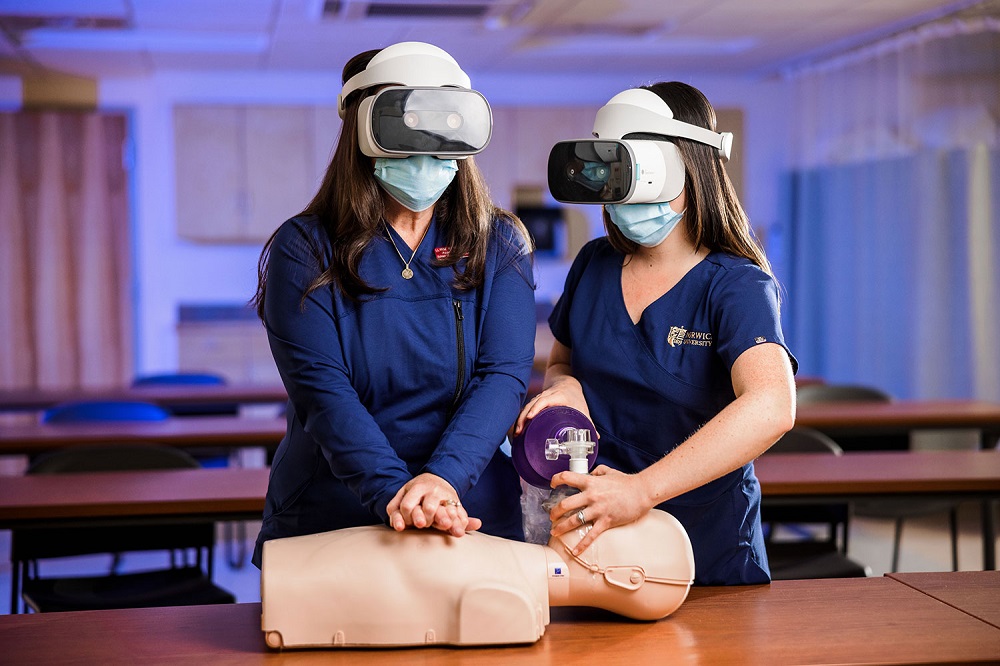
Virtual Reality refers to a simulated environment that can replicate real-world experiences or create entirely imaginary worlds. Through the use of specialized equipment such as VR headsets and controllers, users can interact with and navigate through these virtual environments in a highly immersive manner.
When it comes to writing nursing papers, students often face challenges in balancing their academic workload with other responsibilities. In such cases, seeking assistance from professional writing services can be a practical solution. If you're looking to buy nursing paper writing, it's essential to choose a reputable provider that specializes in nursing academic writing. These services employ experienced writers with backgrounds in nursing who can craft well-researched and meticulously written papers tailored to your specific requirements. By outsourcing the writing process, students can save time and ensure the quality of their papers while focusing on other aspects of their education and personal life.
The Rise of Online Classes
Evolution of Online Education
Benefits of Online Learning
In recent years, online classes have surged in popularity, offering students flexibility and convenience in pursuing their education. With the advent of high-speed internet and advanced learning platforms, students can now access quality education from anywhere in the world, breaking free from the constraints of traditional classroom settings.
Integrating Virtual Reality into Online Classes
Enhancing Engagement and Immersion
Fostering Active Learning Environments
One of the most compelling applications of VR in online classes is its ability to enhance engagement and immersion. By transporting students into virtual learning environments, educators can create interactive experiences that stimulate their senses and captivate their attention. Whether it's exploring ancient civilizations or conducting virtual science experiments, VR enables students to actively participate in the learning process, making education more dynamic and engaging.
Addressing Learning Styles and Preferences

Catering to Visual Learners
Facilitating Hands-On Learning Experiences
Every student has unique learning styles and preferences, and VR offers a versatile platform to accommodate these diverse needs. Visual learners, for instance, can benefit from immersive 3D visualizations that bring complex concepts to life, while kinesthetic learners can engage in hands-on activities and simulations that reinforce their understanding of abstract ideas. By catering to different learning styles, VR fosters inclusivity and accessibility in online education.
Overcoming Geographical Barriers
Connecting Students from Across the Globe
Facilitating Collaborative Learning Experiences
Another significant advantage of VR in online classes is its ability to overcome geographical barriers. Through virtual classrooms and collaborative environments, students from different corners of the world can come together to learn and interact in real time. Whether it's practicing language skills with native speakers or collaborating on group projects, VR promotes cross-cultural exchange and global connectivity in education.
For students overwhelmed by the demands of online classes or facing time constraints due to work or personal commitments, paying someone to complete their online class can provide much-needed relief. Services like pay someone to complete online class offer assistance with assignments, quizzes, discussions, and exams, allowing students to delegate their coursework to professionals while still receiving credit for their classes. While some may view this option as controversial, it can be a practical solution for students struggling to balance their academic responsibilities with other priorities. By outsourcing the completion of their online classes, students can alleviate stress, maintain their GPA, and focus on achieving their academic and career goals.
Empowering Educators with Innovative Tools
Creating Customized Learning Experiences
Analyzing Student Performance and Progress
For educators, VR offers a plethora of innovative tools and resources to enhance their teaching practices. From designing personalized learning experiences to tracking student performance and progress, VR platforms provide valuable insights and analytics that empower educators to tailor their instruction to meet the diverse needs of their students. By leveraging these advanced technologies, educators can unlock new possibilities for interactive and adaptive learning.
Conclusion
As we continue to navigate the ever-evolving landscape of education, the integration of Virtual Reality into online classes holds immense promise for transforming the way we teach and learn. By harnessing the power of immersive technology, we can create dynamic and engaging learning experiences that transcend the limitations of traditional education. From enhancing engagement and immersion to fostering collaboration and inclusivity, VR opens up a world of possibilities for education in the digital age.
FAQs (Frequently Asked Questions)
- How does Virtual Reality benefit online education?
Virtual Reality benefits online education by enhancing engagement and immersion, making learning more interactive and dynamic.
- Are there any limitations to using Virtual Reality in online classes?
Limitations of using Virtual Reality in online classes include the high cost of equipment, potential technical glitches, and the need for training educators in VR technology.
- What equipment is needed to access Virtual Reality in education?
The equipment needed to access Virtual Reality in education typically includes VR headsets, controllers, and compatible software or applications.
- How can educators integrate Virtual Reality into their curriculum?
Educators can integrate Virtual Reality into their curriculum by designing immersive learning experiences, creating virtual simulations, and using VR for hands-on activities and experiments.
- What are some examples of successful implementations of Virtual Reality in online classes?
Successful implementations of Virtual Reality in online classes include virtual field trips, interactive language learning programs, and simulated science experiments.


Comments
Post a Comment